Serving Tidewater · Mon–Fri 9:00 – 5:00
Deck Framing Guide · Updated September 2026
Short answer: it's the board bolted straight to your house that your entire deck frame hangs from. It's not the board anyone asks to see photos of, but if it's installed and flashed wrong, it's the one that eventually fails — here's what it actually does, how it's supposed to go together, and what we check on every deck we build.
If your deck is attached to your house — meaning it's not a freestanding platform sitting on its own posts — there's a board bolted directly to the wall of your home, running the full width of the deck. That's the ledger board. Every joist in the deck's frame connects to it with a metal joist hanger, and the ledger transfers a big share of the deck's total weight, plus everyone standing on it, back into your house's structure.
It's not glamorous. Nobody's ever asked us to send extra photos of the ledger board on their new deck. But structurally, it's doing more work than almost anything else on the project, and it's the single most common point of failure on older decks we get called out to look at.
Every other board on a deck can be replaced one at a time without much drama — a cracked baluster, a warped decking board, even a bad joist here and there. The ledger board is different. It's the connection point holding the entire structure to your house, so a ledger that's rotted, under-fastened, or improperly flashed doesn't fail politely. It's the reason deck-collapse stories almost always trace back to the ledger connection, not the decking surface.
In most cases, the ledger is cut from the same material and dimension as the deck's joists — usually pressure-treated lumber rated for ground contact, since it's sitting directly against your house in a spot that stays damp longer than the rest of the deck. Engineered lumber and naturally decay-resistant species show up too, depending on the framing plan and what a local code official will sign off on. We size the ledger to match the joists it is carrying, never smaller, since undersizing that one board to save a few dollars in lumber is exactly the kind of shortcut that does not show up until years later.
The ledger gets bolted or screwed into the structural framing behind your siding — not just nailed to the siding itself, which is a shortcut that shows up more often than it should on older decks. The right fastener and spacing pattern depends on what's actually behind that wall.
| Wall Type Behind The Siding | Typical Fastener | Notes |
|---|---|---|
| Wood-framed wall | Lag screws or through-bolts | Through-bolts with washers hold better long-term than lag screws alone |
| Poured concrete foundation | Concrete anchors | Anchor spacing and embedment depth both matter, not just anchor count |
| Concrete block (CMU) wall | Block-rated anchors | Hollow block needs different hardware than solid-filled block |
| No structural wall to attach to | Freestanding frame instead | Skip the ledger entirely — see below |
General reference only — actual fastener type, size, and spacing are set by your local building code, commonly referencing the American Wood Council's DCA6 prescriptive deck construction standard. Don't treat this table as a substitute for an actual permitted plan.
Here's the part that gets skipped on more decks than it should: proper flashing above, behind, and sometimes below the ledger board. Without it, water works its way in around every single fastener hole and behind the siding, and it can rot the ledger, the house's rim joist, or both, long before it's visible from the yard.
This is where Hampton Roads' climate makes the stakes higher than they'd be somewhere dry. Salt air, summer humidity, and a real freeze-thaw cycle every winter all speed up rot at exactly the spot where a ledger board meets a house. We've opened up more than a few older decks where the decking on top looked fine and the ledger connection underneath was already soft. Flashing isn't optional out here — it's the difference between a ledger that lasts the life of the deck and one that quietly fails in year eight.
We get asked this one more than you'd think. "Breaker board" isn't a standard term in most deck-framing terminology — when someone uses it, they usually mean the ledger board, or occasionally a border board framed around the decking surface for a picture-frame look. If you're comparing quotes and a contractor uses a term you don't recognize, ask them to point at the actual board. It's a fair question, and a good contractor won't mind answering it.
The ledger is one piece of a bigger frame. Joists run from the ledger out to a beam supported by posts, and those posts sit on footings dug down to your area's frost line. Get any one part of that chain wrong — an undersized footing, a joist span that's too long for the lumber, a ledger that's not properly fastened — and the whole deck inherits the weak point, even if everything else was built right.
Most of the ledger problems we run into on older decks trace back to one of a handful of shortcuts, not exotic failures:
Nails alone can't handle the shear load a ledger connection carries. Code-approved lag screws or through-bolts are the minimum, not an upgrade.
Vinyl and other non-structural siding can't carry a deck's weight. The ledger needs to reach the actual framing behind it, which sometimes means removing siding first.
The single most common issue we find on decks built before flashing requirements were widely enforced. It's invisible until the rot already started.
A fastener rated for wood framing doesn't hold the same way in concrete or block. Matching the hardware to what's actually behind the wall matters as much as the spacing pattern.
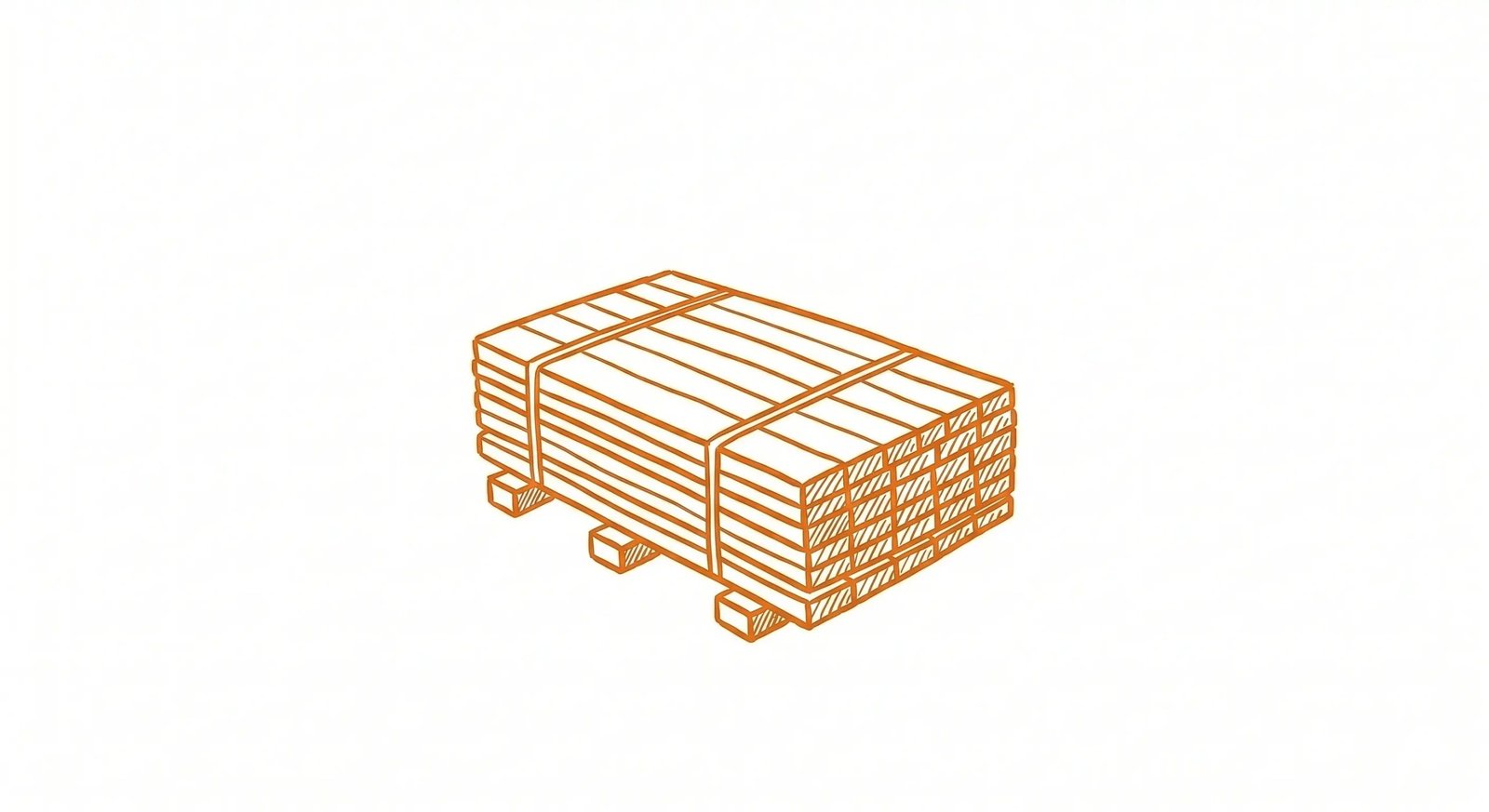
If your deck is more than a few years old, especially through Hampton Roads summers and winters, a few things are worth checking before they turn into a bigger repair:
No. A freestanding deck stands entirely on its own posts and footings and never ties into the house at all. On an older home where the rim joist isn't in great shape, or where we're not confident about what's really behind the siding, going freestanding is sometimes the more honest recommendation — even though it costs a bit more in posts and footings than tying into the house would. We would rather walk you through that tradeoff honestly during the design conversation than have a homeowner assume every attached deck is automatically the cheaper or better option.
Ashleigh and I have been building decks across Hampton Roads since 2017, and the ledger connection is one of the things we personally check before a single joist hanger goes up — not something we take on faith from a framing crew. On an existing house, that means confirming what's actually behind the siding before we bolt anything to it, flashing it properly the first time, and being upfront if a freestanding frame is the better call for your particular house. It's not the part of the project anyone gets excited about during the design conversation, but it's the part we're not willing to rush. If we find a ledger connection on an existing deck that was not done right, we would rather tell you honestly what we found and what it will take to fix, than quietly build a new deck on top of a bad foundation and let it become the next owner's problem.
A ledger board is the horizontal board bolted directly to your house that an attached deck's frame hangs from. It carries a big share of the deck's total weight and transfers that load into your home's structure, so the deck's joists connect to it with metal joist hangers instead of resting on nothing.
Not quite, though the terms get mixed up. "Ledger board" is the standard construction term for the board bolted to the house that carries the deck frame. "Breaker board" isn't a standard deck-framing term in most of the country — if a contractor or a search result uses it, they usually mean the same ledger board, or in rare regional usage, a picture-frame border board around the decking surface. If you're not sure which one you're being quoted for, ask directly.
With structural lag screws or through-bolts, sized and spaced according to your local building code (most codes reference the American Wood Council's DCA6 prescriptive tables). The right method depends on what's behind your siding — wood-framed walls, concrete, and concrete block all call for different fasteners.
Flashing keeps water from getting behind your siding at the exact spot where the ledger board is bolted to the house. Without it, water works its way in around the fasteners and rots the ledger, the house rim joist, or both — often for years before it's visible from outside.
Soft or spongy decking near the house, a visible gap opening up where the deck meets the siding, rust streaks around the fasteners, or the deck feeling like it flexes or bounces more than it used to are all worth a real inspection. On an older deck in a coastal, humid climate, it's worth having someone actually look, not guess.
No — only attached decks, the kind that connect directly to your house. A freestanding deck stands entirely on its own posts and footings and doesn't tie into the house at all, which is sometimes the better call on an older home where the rim joist isn't in great shape.
Written by Ashleigh & Joey, Evoke Design + Build
Husband-and-wife design-build team serving Hampton Roads since 2017. Ashleigh handles design, Joey runs construction. Licensed & insured contractor. Read more about us →
We'll take a real look at the framing, not just the surface, and tell you honestly what it needs.